One Big Beautiful Bill Tax Changes: What You Need to Know
February 11, 2026
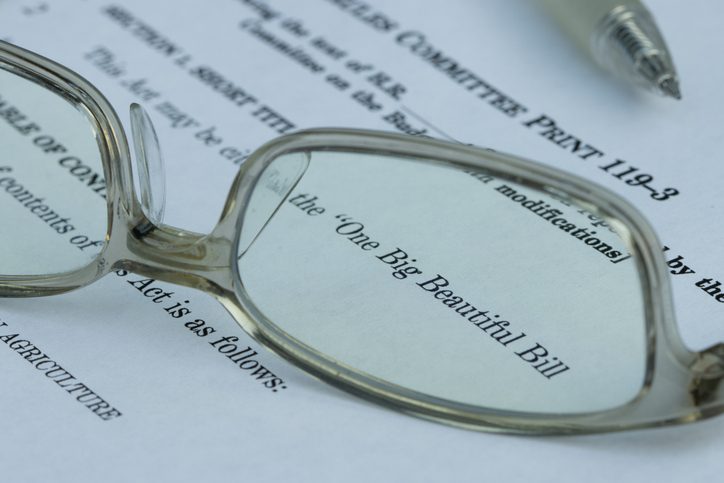


By now, you’ve likely heard about the One Big Beautiful Bill (OBBB), but do you really know what it means for your unique financial situation? This 800-page piece of legislation can seem overwhelming, but understanding the One Big Beautiful Bill tax changes and how they affect your unique situation could be the difference between paying more and keeping more of what you earn.
In this article, we’ll be breaking down this complex bill into clear, actionable insights. Whether you’re a small business owner, a young professional, a senior, or part of a growing family, these changes have something for you. We’ll walk you through the most important updates, where knowledge and preparation will help you make smarter financial decisions.
One Big Beautiful Bill Tax Changes for Individuals
The OBBB introduces a wide array of tax updates that will impact individuals differently based on their life stage and financial situation. To help you navigate these changes, we’ll break down the key provisions by specific demographic groups, so you can best understand exactly how these updates might affect you.
Seniors
Standard deduction boost: The bill provides an additional bonus deduction of $6,000 per senior for those with Adjusted Gross Income (AGI) under $75,000. Married couples stand to benefit even more, potentially receiving up to $12,000 total if both are over 65 and have a combined AGI under $150,000. You can get this benefit whether you itemize or take the standard deduction.
Estate tax exemption expansion: The bill also brings welcome news for those thinking about legacy and inheritance. The estate tax exemption rises to $15 million per individual, so estates valued below this exemption can now be inherited completely tax-free.
Working Professionals
Tax relief on income from tips: Up to $25,000 in tip income is deductible from 2025-2028. However, this deduction phases out for single filers with income exceeding $150,000 or joint filers with income over $300,000. Some important nuances apply: mandatory gratuities on large groups only qualify if the tipper could have opted out without consequence. Self-employed professionals like beauticians can also claim the tip exclusion, but must include tips in gross income and can only deduct up to their Schedule C profit.
A key caveat: employers cannot retroactively reclassify employees as tipped workers to reduce taxable income, and income must have been historically reported as tips.
Overtime pay benefits: Overtime compensation now offers tax relief of up to $12,500 for individuals or $25,000 for joint filers. This deduction specifically covers the “half” portion of the “time-and-a-half” overtime compensation required by the Fair Labor Standards Act. This means that it will only apply to overtime compensation exceeding an employee’s regular rate of pay, not the total pay for every hour of overtime. The benefit phases out for single filers with income over $150,000 or joint filers with income over $300,000. Starting in 2026, employers will be required to provide a specific statement detailing qualified overtime pay.
Car loan benefits: For those needing reliable transportation, the bill offers a smart tax break on vehicle purchases. You can now deduct up to $10,000 in loan interest for U.S.-assembled vehicles, but there are some important details to note. The deduction applies only to first lien loans, meaning the original loan where the vehicle serves as primary collateral, and is available for tax years 2025-2028. Be aware that the benefit phases out for higher income brackets: the deduction starts to reduce for single filers with incomes over $100,000 and joint filers with incomes over $200,000. You may also need to provide your vehicle’s VIN to prove it was assembled in the United States. This is a deduction separate from itemized deductions and can be taken by those who do not itemize.
Families and Parents
Child tax credit boost: The bill raises the credit to $2,200 per child, with a commitment to adjust for inflation after 2026. This means the value of this support will keep pace with rising costs, providing consistent help as your children grow.
Trump Savings Account: With this new savings account, parents can contribute up to $5,000 annually, while employers can add up to $2,500 per year. For babies born between 2025 and 2028, the government will even kick in a $1,000 starter contribution. These accounts are strategically invested in a US equity index, designed to grow over time. The funds are locked in until the child reaches 18, ensuring a meaningful financial head start when they enter adulthood. Accounts must be opened through the IRS by filing out form 4547.
Students and Early Career Professionals
Student Loan Assistance: The bill introduces a game-changing benefit for employees burdened by student loans. Employers can now help pay up to $5,250 per year towards student loan debt. These payments come with a significant advantage: they’re tax-free for employees and tax-deductible for employers. The limits will be adjusted for inflation after 2026, ensuring the benefit keeps pace with changing economic conditions.
All Individual Taxpayers
Some of the One Big Beautiful Bill tax changes apply more broadly to individual taxpayers across different income levels and situations, such as:
Standard deduction increase: The bill increases standard deduction amounts, providing immediate relief for all taxpayers. Married couples filing jointly can now claim $31,500, while single filers can deduct $15,750.
State and Local Tax (SALT) deduction expansion: SALT deductions are increasing from $10,000 to $40,000. This change applies to individuals with incomes under $500,000 and will be effective from 2025 to 2029. The expanded deduction provides more flexibility for taxpayers in states with higher local taxes.
Charitable giving incentive: The bill makes charitable giving more accessible by allowing deductions of up to $1,000 for single filers and $2,000 for married couples, even for those who take the standard deduction.
1099 reporting threshold increase: To simplify tax reporting for contractors and gig workers, the threshold for 1099 reporting increases from $600 to $2,000, with the limit being indexed for inflation moving forward. This will only apply to payments that occur after January 1st, 2026.
One Big Beautiful Bill Tax Changes for Businesses
The One Big Beautiful Bill tax changes help support the critical role of businesses in driving economic progress. They include a handful of targeted tax provisions that support growth, innovation, and workforce development.
R&D Expense Expensing: Businesses with gross receipts under $31 million can now expense research and development expenses and qualify for the R&D tax credit. This provision is retroactive to January 1, 2022, and businesses have multiple options for amending and deducting items previously capitalized.
SEC 179 Write-off Limit Increase: The write-off limit for new asset acquisitions has jumped from $1,000,000 to $2,500,000. This allows businesses to immediately deduct more of their capital investments.
Bonus Depreciation Restoration: The bill permanently restores 100% bonus depreciation. It’s important to note, however, that just because you can write off an item doesn’t mean it’s always the right financial move. Deducting an item you have not yet paid for can give you more pain in a future year when you must pay for it and get no deduction.
C Corporation charitable contributions: The bill introduces a new limitation on charitable contributions for C Corporations. These contributions are now only deductible to the extent they exceed 1%.
Qualified small business stock: In a provision aimed at incentivizing investment in startup and emerging businesses, taxpayers can now receive a more favorable tax treatment for stocks held for 3, 4, or 5 years. However, this improvement only applies to stock acquired after July 4, 2025.
Child Care Tax Credits: The bill offers enhanced tax credits for employers who provide childcare support. Businesses can now receive a tax credit of up to 40% of qualified childcare expenses. This provision not only helps employers attract and retain talent but also supports working families by making childcare more accessible and affordable.
Qualified Business Income (QBI) Deduction: The QBI 20% deduction is now permanent, with service businesses qualifying at a slightly higher income than in the past.
1099K Reporting Threshold Update: The reporting threshold for third-party networks (like eBay or Etsy) has increased from $2,500 to $20,000 and 200 transactions. Still, it’s important to note that the IRS is aware of money movement through non-checking accounts such as Venmo, so businesses should carefully document all income sources to avoid getting flagged.
Bonus depreciation for specific structures: A targeted bonus depreciation provision offers tax benefits for specific types of nonresidential real property. Qualifying structures used as an integral part of a qualified production activity, started between January 19, 2025, and December 31, 2029, and placed in service before January 1, 2031, can benefit. However, offices and research facilities are explicitly excluded from this provision.
Navigate OBBB Tax Updates with Confidence
The One Big Beautiful Bill can be overwhelming at first glance, but it contains meaningful changes that can significantly impact your financial well-being. This bill offers a range of updates that could put more money back in your pocket across different life stages. The key is understanding these changes and how they specifically apply to your unique financial situation.
That’s where working with a professional team like PaulHood becomes invaluable. Our experts can help you navigate these updates, ensuring you don’t just understand the changes, but can maximize the benefits tailored to your personal and professional circumstances.
To discuss a personalized tax strategy tailored to your unique situation, schedule a call with PaulHood today.
Our knowledge hub
Empower your decisions with on-demand, relatable insights.